
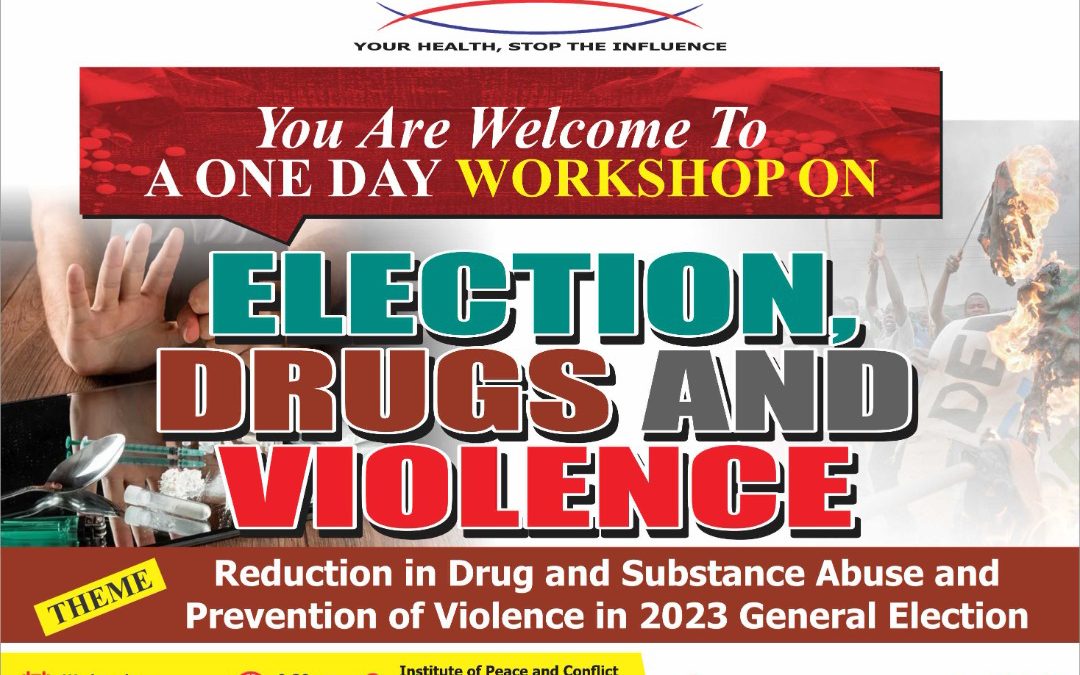
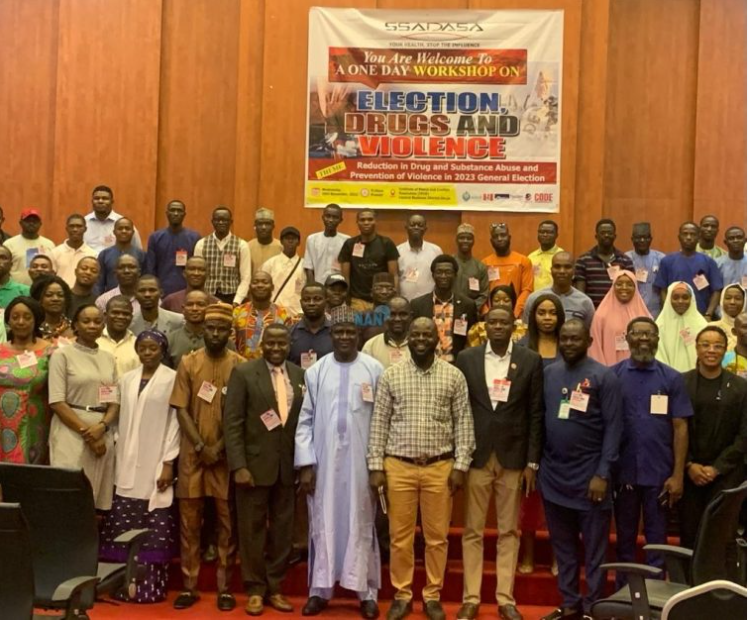
As the 2023 general elections approached, the StandSafe Society Against Drugs and Substance Abuse (SSADASA) urged all stakeholders to address the threat of substance abuse among young people.
Mr Godwin Bebiem, Executive Director of SSADASA, made the call on Wednesday during a one-day workshop on Election, Drugs, and Violence in Abuja.
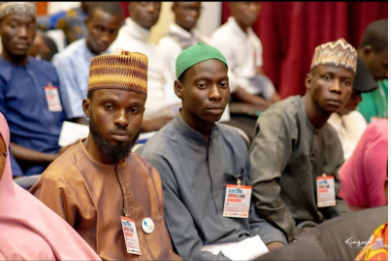
He claimed that the consequences of drug abuse among young people were massive, leading to an increase in violence in various parts of the country before, during, and after the elections.
“The purpose of this workshop is to educate the youth, society, and the general public about the negative effects of drug abuse and electoral violence.”
“We want a peaceful election, and we want society to understand that drug abuse is bad, and we want different levels of government to manage drug inflow into the country through the borders.”
Bebiem noted that collaboration with relevant stakeholders provided an opportunity to advocate for the peace message.
He urged Nigerian youths, however, to abstain from drugs and substance abuse, avoid electoral violence, and be courageous enough to report perpetrators of these abuses to the appropriate authorities.
Dr Bakut Bakut, Director General of the Institute for Peace and Conflict Resolution (IPCR), expressed concern about the prevalence of drug and substance abuse among Nigerian youths.
According to him, the cankerworm has eaten deep into society, causing countless people to lose their sanity and lives in virtually every part of the country.
Dr. Mohammed Ndakogi, Director of Democracy IPCR, speaking on behalf of Bakut, stated that it was common knowledge that drug and substance abuse posed serious risks to the peaceful conduct of elections.
This, he said, shouldn’t be discounted, especially as the country got ready for elections.
Studies over the years have revealed that drug and alcohol misuse are well-known causes of electoral violence globally, and Nigeria is no different.
“The significance of this training program cannot be overstated, particularly in light of the tremendous negative impact election-related violence has had on voter turnout and faith in our electoral system.
“This is a result of increased anxiety, commotion, and terror, as well as the destruction of voting materials by people who are mostly under the influence of narcotics.
However, this endangers our democracy and a smooth transfer of power.
The D-G demanded that all campaigns against drug- and substance-related violence include academic institutions and rehabilitation facilities.
He continued by saying that doing so will stop possible abuses, aid victims in getting better, and help them reintegrate into society.
According to the 2018 Drug Take Survey, which was conducted by the National Drug Law Enforcement Agency’s Director of Drug Demand Reduction, Dr. Ngozi Madubuike, at least 14.4 million Nigerians use drugs.
She claimed that in 2021, the Presidency had ordered the NDLEA to work together to put a stop to the usage of illicit drugs.
She asserted that because they were closest to the people, civil society organizations had a significant role to play in minimizing the threat of drug use among young people.
She asserted that because they were closest to the people, civil society organizations had a significant role to play in minimizing the threat of drug use among young people.
Gbenga Owonubi, the NDLEA Superintendent of Narcotics, spoke on Madubuike’s behalf when he emphasized the importance of improving coordination among key players in the fight against drug usage.
Reducing drug and substance abuse and preventing violence in the general elections of 2023 is the workshop’s focus.
Among others, the Kukah Center, Connected Development, and the Open Society Initiative for West Africa sent greetings.